
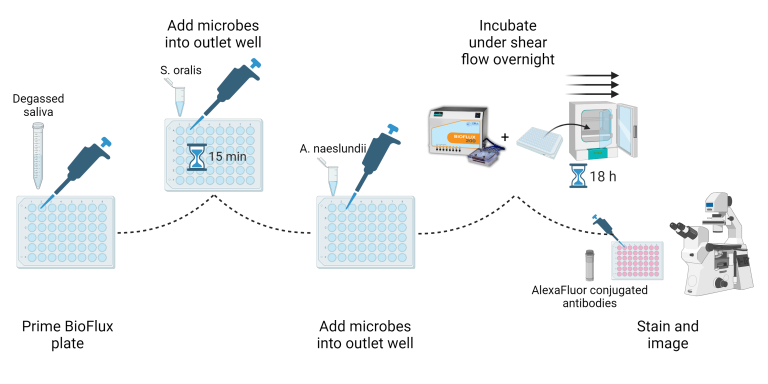



The bacteria that make up the flora of the oral cavity have complex relationships within biofilms that contribute to dental caries and disease pathogenesis in the oral cavity and throughout the body. To study such relationships among bacteria, it is necessary to inoculate and culture the cells under shear flow.
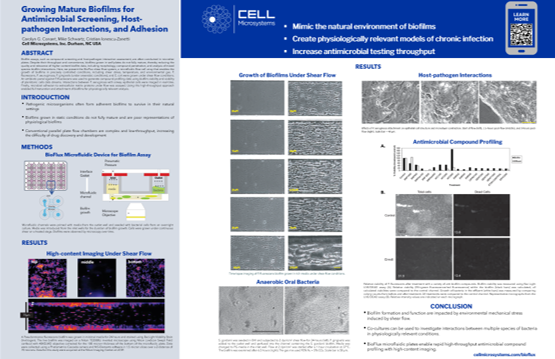
The BioFlux shear flow system enables high-throughput investigation of oral biofilms and antibiofilm treatments under biological conditions.
Real-time inhibition of a mixed-species microcosm biofilm by NucB under saliva flow. 24-well BioFlux plates were used to create a dual microenvironment to examine control and experimental conditions in the same microfluidic channel.
A video of 22 hour time-lapse imaging of Pseudomonas aeruginosa acidification during biofilm formation, reported by fluorescent nanosensors. Red indicates low pH, whereas green indicates higher pH values.
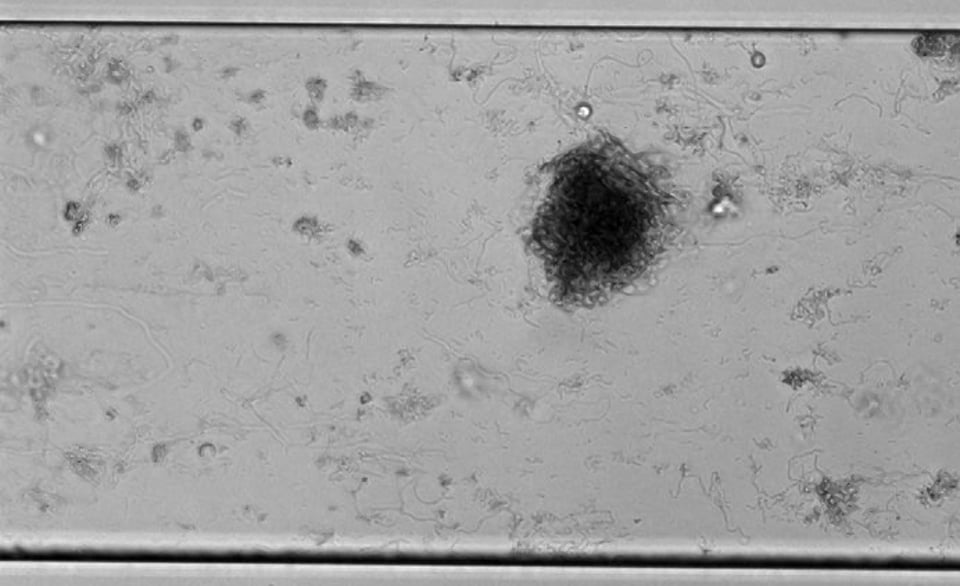
A video of time-lapse imaging of biofilm growth from saliva inoculum on a BioFlux microfluidic channel coated with hydroxyapatite to mimic the surface of a tooth.
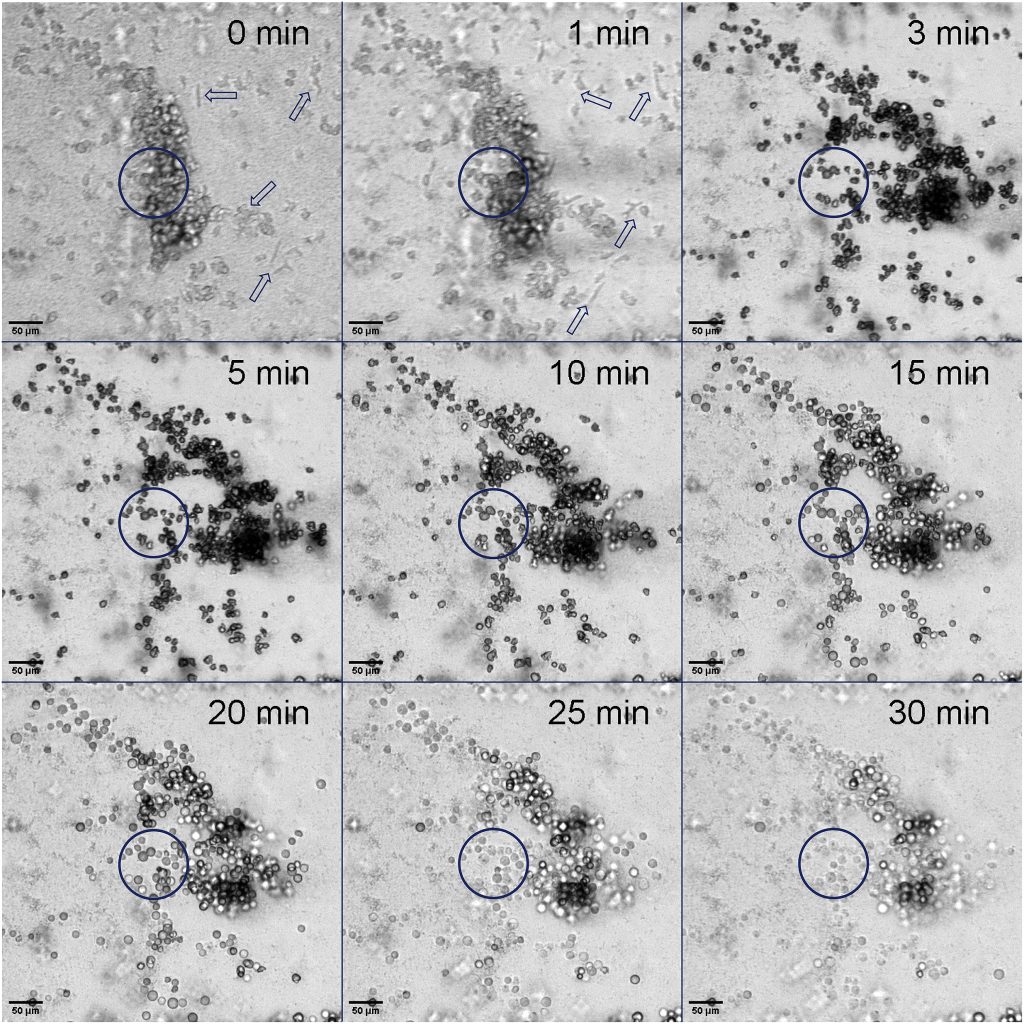
Real-time video of the partial removal of biofilm layers due to the application of hydrogen peroxide. Cysts initially shrink (darkening) and eventually swell and lyse.
Water systems within a dental unit are often contaminated with biofilms from multiple kingdoms, including bacteria, fungi, viruses, and protozoa. If these microorganisms become aerosolized, both patients and dental staff may become infected with potentially harmful pathogens.
In this recently published featured article, Hoogenkamp et al. examined the effectiveness of multiple treatment regimens using hydrogen peroxide with Oxygenal to disinfect dental units. To determine the most effective regimen, a BioFlux cellular analysis system was used to construct a translational in-vitro dynamic flow model to simulate multi-kingdom biofilms on dental unit water systems.