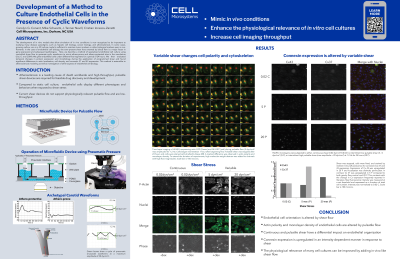
A Method to Culture Endothelial Cells in the Presence of Cyclic Waveforms
Download this poster to learn how to develop physiologically relevant athero-prone and athero-protective endothelial cell models.
Poster highlights include:
Using shear stress to simulate the effects of atherosclerosis on different areas of the vasculature
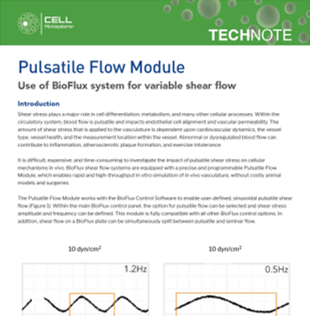
The differences in the impact of continuous or pulsatile shear flow on endothelial cell organization
How to improve the physiological relevance of cell culture models
Atherosclerosis modeling with BioFlux
Atherosclerosis is one of the leading causes of death worldwide. The mechanisms of atherosclerotic plaque formation, growth, and treatment are difficult to study in vivo due to the large hurdles of time, expensive animal models, and difficulty imaging cellular events.
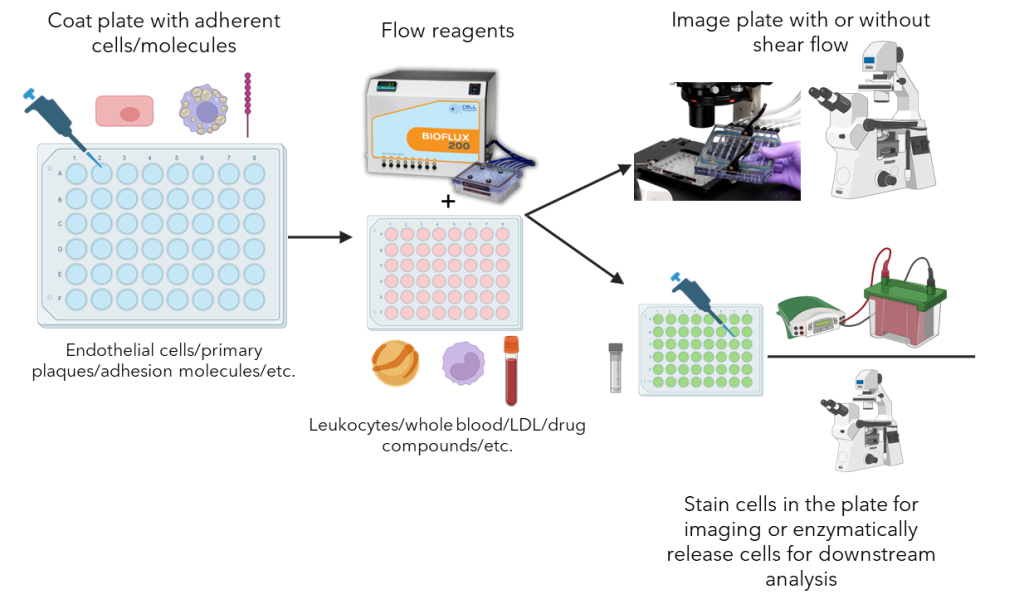
BioFlux shear flow systems clear these hurdles by leveraging microfluidics that enable investigators to mimic in vivo processes that occur in the development and progression of atherosclerosis, such as endothelial cell phenotype and functional changes, immune cell chemotaxis, adhesion, transmigration, platelet adhesion, and foam cell growth.
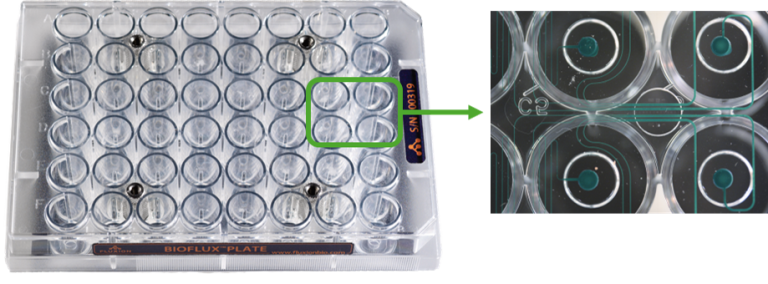
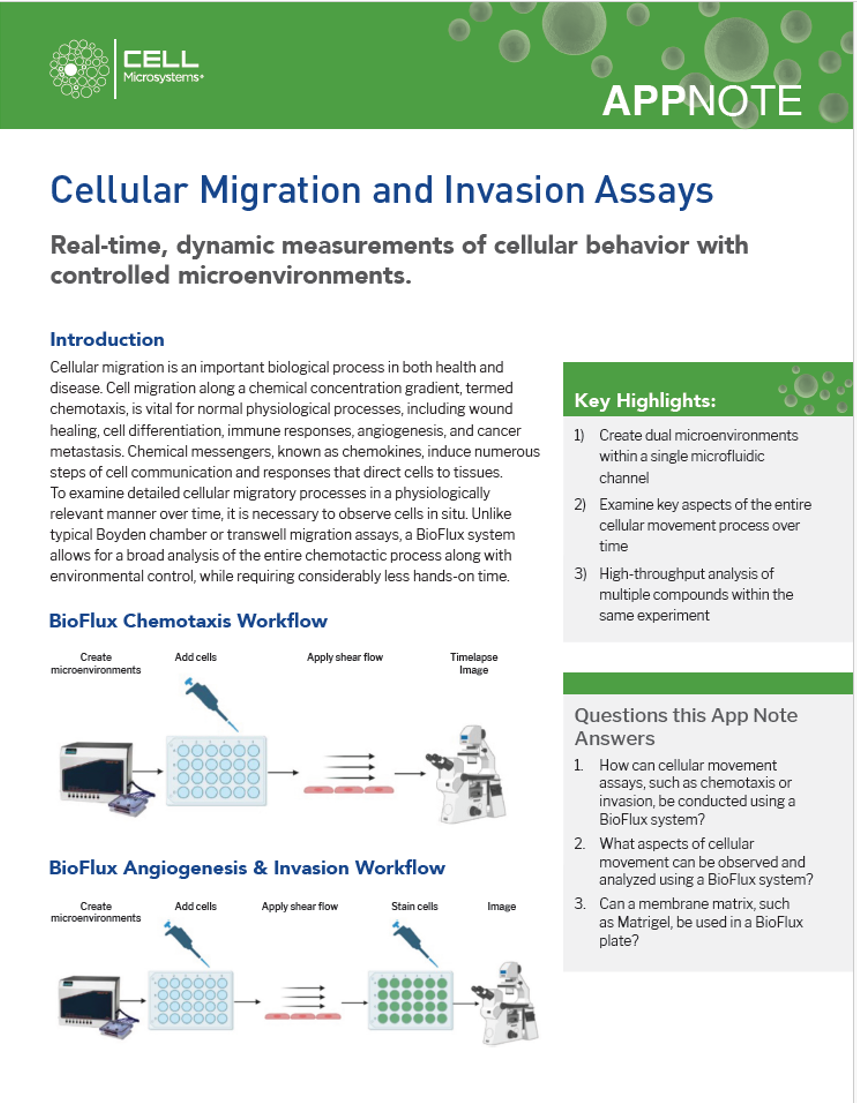
BioFlux plates enable the collection of high-resolution images and/or videos in real-time while conducting up to 24 assays simultaneously.
BioFlux 48-well plate (left). Close up view of microfluidic channels connecting experimental well pairs with a cover slip glass microscope viewing window between the wells.
Key BioFlux Advantages For Atherosclerosis Studies
Test for novel compounds to treat inflammation during the development of atherosclerosis
Treat channels with atherosclerotic plaque from patients to enhance physiological relevance of assay
Use low levels of shear stress to stimulate endothelial cell proliferation, coagulation, and apoptosis
Utilize high levels of shear stress to encourage anticoagulation and endothelial cell survival
Inhibit platelet and monocyte adhesion under shear flow to assess atherosclerosis prevention