Webinars
Latest Webinars
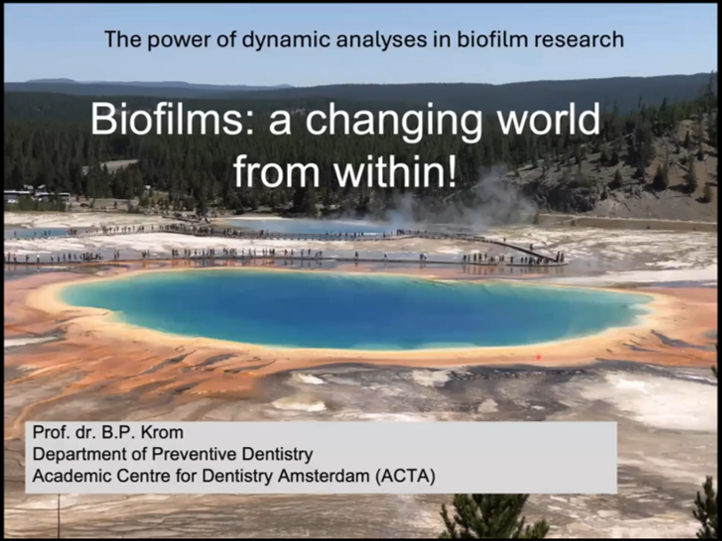
The Power of Dynamic Analyses in Biofilm Research
In this webinar, Dr. Bastiaan Krom, Professor at the Academic Centre for Dentistry Amsterdam, University of Amsterdam, will illustrate the power of dynamic visualization of microbial biofilms as he discusses the results of his laboratory’s elucidation of time-dependent processes in microbial biofilms.
hiPSC Modeling of Cancer and Preparation of Cells for Whole Genome CRISPR Screens
Dr. David Largaespada presents data from his laboratory where his team is using CellRaftA microscale polystyrene growth surface within an array used to spatially segregate cells/colonies while maintaining shared media access, enabling imaging over time and targeted isolation. More AIR technology to rapidly develop cancer models for treatment research.
Exploring Platelet Adhesion and Aggregation Under Physiological Shear Flow
Adhesion and aggregation reaction of platelets are critical processes in hemostasis, preventing excessive bleeding following vascular injury. Generally, circulating platelets have a lifespan of about 10-12 days, after which they undergo programmed cell death or necrosis and are taken up by macrophages. Importantly, abnormal platelet adhesion to the vessel wall can lead to thrombosis, resulting in pathological clot formation and contributing to conditions such as heart attack or stroke. In this webinar, Dr. Mohammad Ekhlak of the Center for Advanced Research on Platelet Signaling and Thrombosis Biology at the Institute of Medical Sciences, Banaras Hindu University will discuss high throughput evaluation of the effects of novel drugs on physiological thrombosis formation.
Dr. Ekhalk shares insights on:
1. In vitro modeling of physiological platelet plug formation
2. Antiplatelet/antithrombotic effects of novel pharmaceuticals
3. Signaling mechanisms of thrombosis

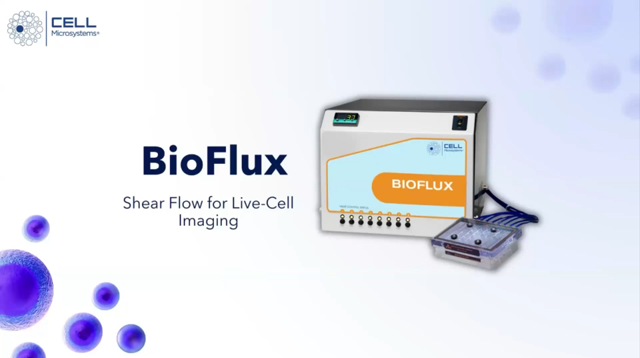
Live Demonstration of a BioFlux Shear Flow System
BioFlux shear flow systems enhance the throughput and quality of cultures and assays by adding physiological and pathological shear flow to effectively emulate in vivo conditions.
In this demonstration, Dr. Stephanie Proano will highlight the BioFlux system features and benefits and conduct a live demonstration of BioFlux performance.
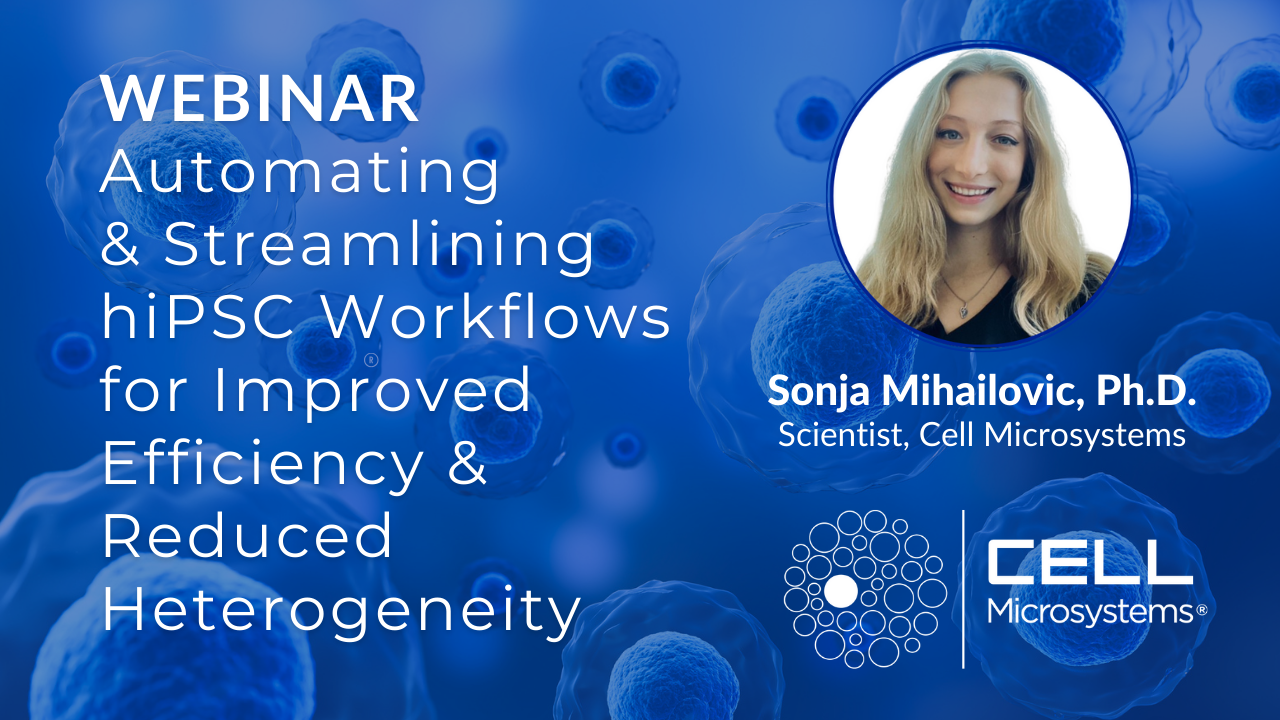
Automating & Streamlining hiPSC Workflows for Improved Efficiency & Reduced Heterogeneity
Reprogramming and differentiating patient-derived and genetically modified hiPSCs are crucial for developing accurate disease models and therapeutics. However, traditional hiPSC methods can be inefficient and

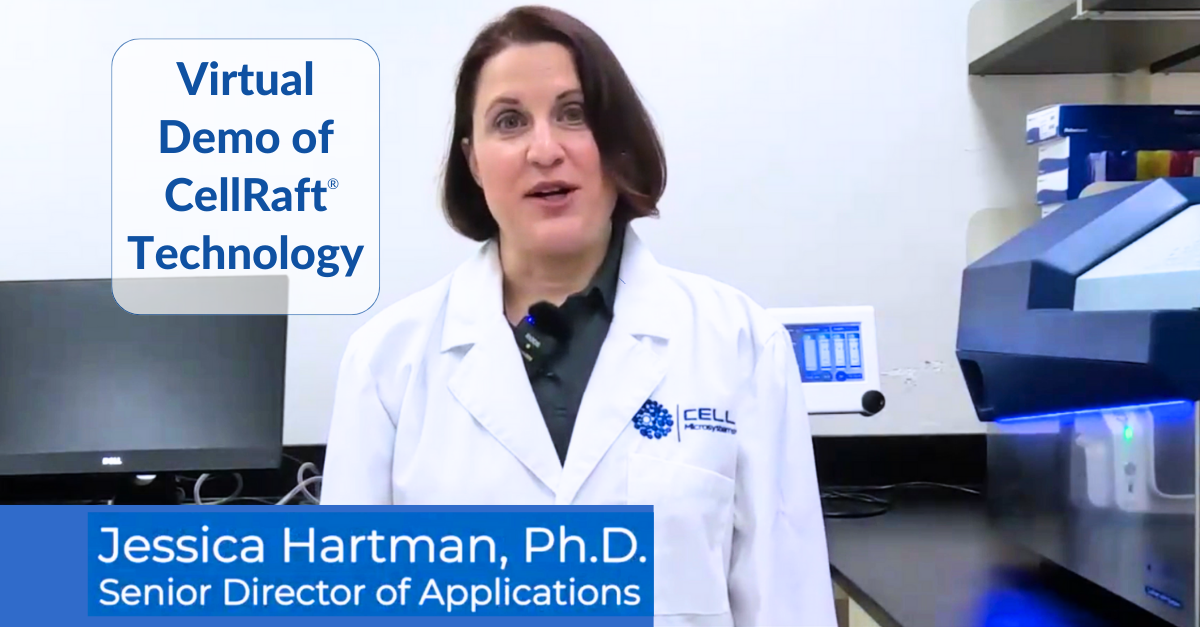
Can’t Clone Your Cells? We Can. Demo of Novel Technology for Cell Line Development.
If working with difficult cells is making your gene-editing or cell development unbearable, join Dr. Hartman in the lab in this virtual demo. This is
The Power of Dynamic Analyses in Biofilm Research
In this webinar, Dr. Bastiaan Krom, Professor at the Academic Centre for Dentistry Amsterdam, University of Amsterdam, will illustrate the power of dynamic visualization of microbial biofilms as he discusses the results of his laboratory’s elucidation of time-dependent processes in microbial biofilms.
hiPSC Modeling of Cancer and Preparation of Cells for Whole Genome CRISPR Screens
Dr. David Largaespada presents data from his laboratory where his team is using CellRaft AIR technology to rapidly develop cancer models for treatment research.
Exploring Platelet Adhesion and Aggregation Under Physiological Shear Flow
Adhesion and aggregation reaction of platelets are critical processes in hemostasis, preventing excessive bleeding following vascular injury. Generally, circulating platelets have a lifespan of about 10-12 days, after which they undergo programmed cell death or necrosis and are taken up by macrophages. Importantly, abnormal platelet adhesion to the vessel wall can lead to thrombosis, resulting in pathological clot formation and contributing to conditions such as heart attack or stroke. In this webinar, Dr. Mohammad Ekhlak of the Center for Advanced Research on Platelet Signaling and Thrombosis Biology at the Institute of Medical Sciences, Banaras Hindu University will discuss high throughput evaluation of the effects of novel drugs on physiological thrombosis formation.
Dr. Ekhalk shares insights on:
1. In vitro modeling of physiological platelet plug formation
2. Antiplatelet/antithrombotic effects of novel pharmaceuticals
3. Signaling mechanisms of thrombosis
Live Demonstration of a BioFlux Shear Flow System
BioFlux shear flow systems enhance the throughput and quality of cultures and assays by adding physiological and pathological shear flow to effectively emulate in vivo conditions.
In this demonstration, Dr. Stephanie Proano will highlight the BioFlux system features and benefits and conduct a live demonstration of BioFlux performance.
Automating & Streamlining hiPSC Workflows for Improved Efficiency & Reduced Heterogeneity
Reprogramming and differentiating patient-derived and genetically modified hiPSCs are crucial for developing accurate disease models and therapeutics. However, traditional hiPSC methods can be inefficient and

Can’t Clone Your Cells? We Can. Demo of Novel Technology for Cell Line Development.
If working with difficult cells is making your gene-editing or cell development unbearable, join Dr. Hartman in the lab in this virtual demo. This is