

Host-Pathogen Interactions
Accurately Model Host-Pathogen Environments
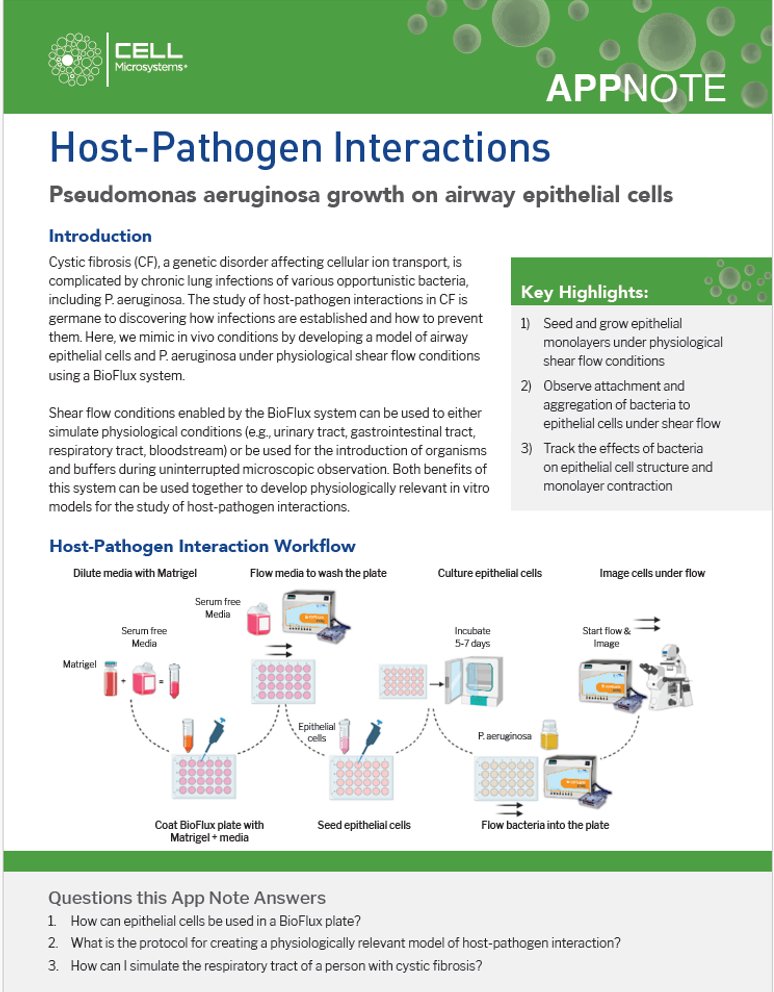
Many microorganisms, including many types of bacteria and fungi, rely on complex relationships with host organisms. Thorough investigation of communal, infectious, or colonial relationships between microorganisms and their host requires an accurate model. Â Â
The BioFlux shear flow system is ideal for in vitro modeling of in vivo microbial interactions with host cells. The high throughput microfluidic plate provides unmatched experimental flexibility, enabling the culture and assay of microbes directly on/in cells, ex-vivo microbe growth and analysis, and the use of customized media. All under physiological or pathological shear stress.
BioFlux has the flexibility you want to emulate the biology you need. Â Â
Published Host-pathogen Applications:
Key BioFlux Advantages For Host-Pathogen Interaction Studies
- Mimic microbes' physiological environment by controlling shear stress, gas composition, and temperature
- Leverage unidirectional, oscillatory, or pulsatile flow with variable wall shear stresses (0-200cm2) to create the optimal environment for your assays
- Increase productivity with up to 24 experiment throughput
- Conduct longer cultures and assays with 6-well plates
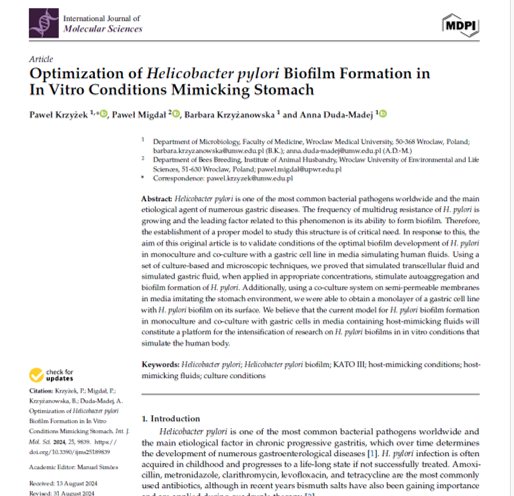
Publication spotlight: Optimization of Helicobacter pylori Biofilm Formation in In Vitro Conditions Mimicking Stomach
Host-Microbe assays using BioFlux
Primary Microbe Isolates
Host-pathogen Interaction
Wounds
Activity of Novel Ultrashort Cyclic Lipopeptides against Biofilm of Candida albicans Isolated from VVC in the Ex Vivo Animal Vaginal Model and BioFlux Biofilm Model—A Pilot Study
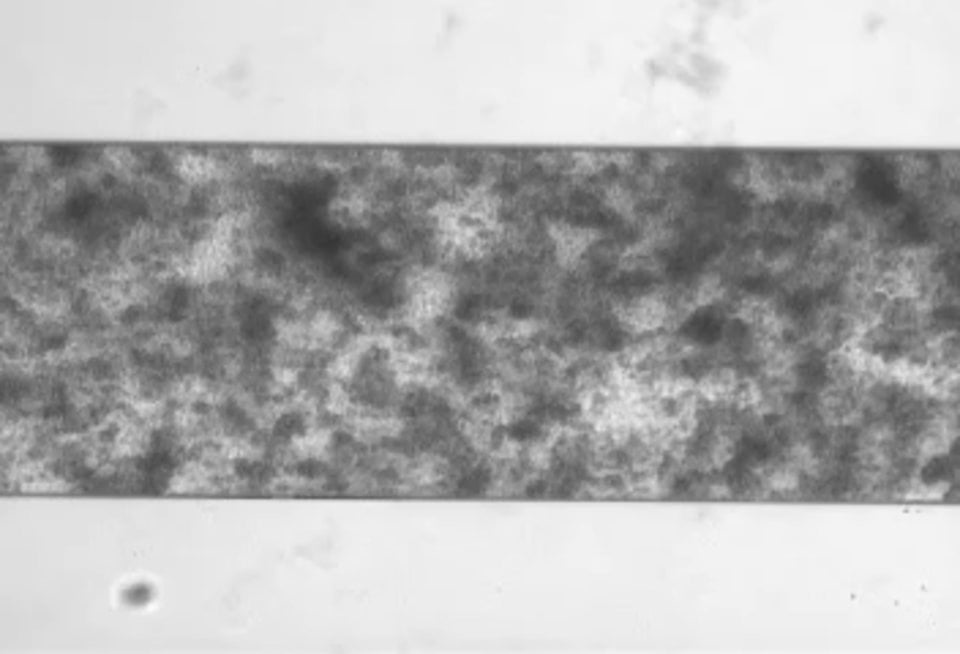
Time-lapse imaging of Candida albicans strain CA1 isolated from human vagina and grown in microfluidic channels under shear flow.
High-Throughput Microfluidic Method To Study Biofilm Formation and Host-Pathogen Interactions in Pathogenic Escherichia coli
Real-time growth of enterohemorrhagic Escherichia coli on HRT-18 monolayers.Â
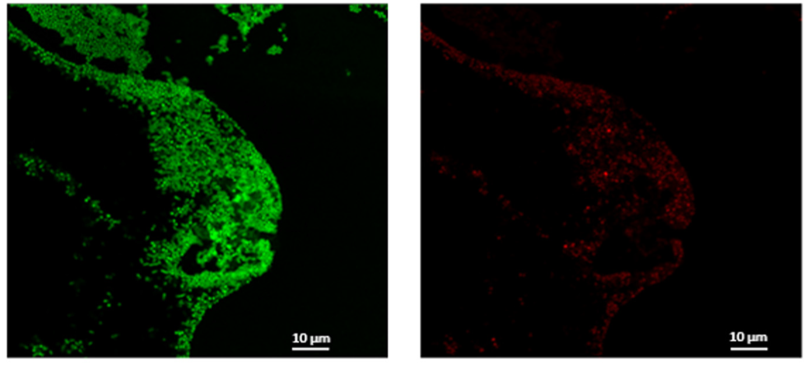
Polymicrobial Biofilm Organization of Staphylococcus aureus and Pseudomonas aeruginosa in a Chronic Wound Environment
Staphylococcus aureus and Pseudomonas aeruginosa were co-cultured in chronic wound-like medium and stained with Syto9 (left) and PI (right).Â