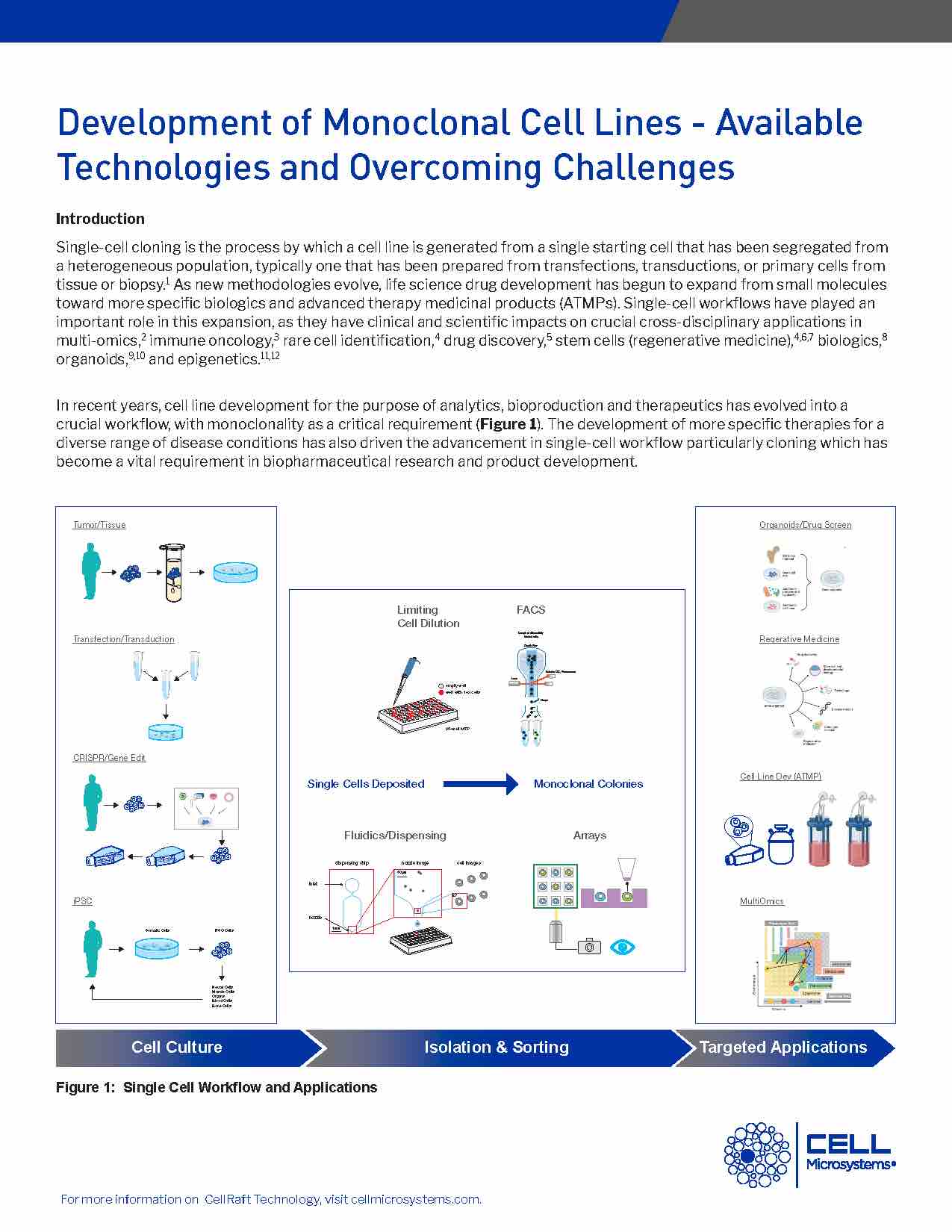
Cell Line Development

Overcome Bottlenecks in Your Cell Line Development
- Lack of viable clones
- Lack of proof of monoclonality
- Requires significant lab supplies and equipment
- Hands-on time requirements
- Limited throughput
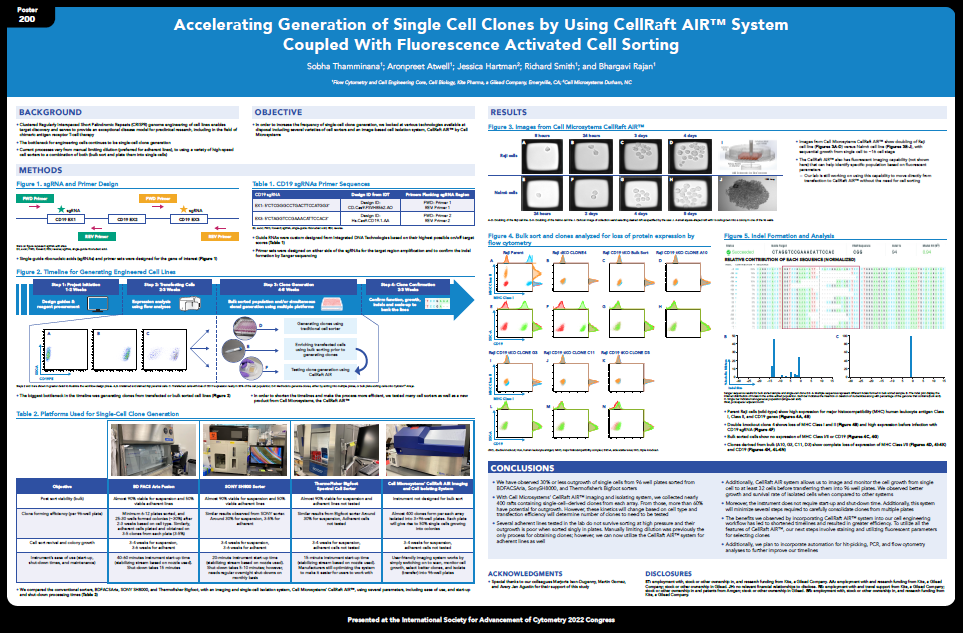
The Solution: CellRaft Technology
The CellRaftA microscale polystyrene growth surface within an array used to spatially segregate cells/colonies while maintaining shared media access, enabling imaging over time and targeted isolation. More AIR® System stands out as the preferred platform for accelerating cell line generation due to its unique features, including:
- Reduced development timelines
- Seamless workflow integration
- Consolidated data for archiving and application submissions
It utilizes the CellRaft® Array, a specialized culture dish enabling the screening of thousands of cells while preserving single-cell segregation.
This approach boasts several advantages:
The absence of fluidics or pressure in the isolation process, coupled with the isolation of entire clones rather than individual cells, minimizes cellular stress and damage during the transition to the 96-well collection plates.
-
High-Throughput Screening
The capability to screen thousands of cells on a single culture dish is a significant advancement, allowing for more efficient and rapid screening. -
Monoclonality Proof
Providing track-and-trace image proof of monoclonality ensures that the cell population consists of single clones—a pivotal factor for experiments and downstream applications. Visit our Cell Atlas page to view this feature. We have tested more than 100 cell lines. -
Clonal Isolation
Isolating entire clones rather than individual single cells streamlines downstream processes and leads to higher viability outcomes. -
Flask-Like Culture Conditions
Emulating flask-like culture conditions within the CellRaft Array—where cells share media and growth factors—replicates the natural growth environment for cells. -
Gentle Clonal Isolation
The absence of fluidics or pressure in the isolation process, coupled with the isolation of entire clones rather than individual cells, minimizes cellular stress and damage during the transition to the 96-well collection plates.

The Proof
CellRaft Technology revolutionizes cell line isolation by enabling the creation of healthy, monoclonal cell lines in a cost-effective manner that surpasses the traditional Limiting DilutionA statistical cloning approach where cells are diluted to low density to “hopefully” seed one cell per well; commonly used but can be low-efficiency for difficult-to-clone lines. More method (Visit our No Limiting Dilution page). With CellRaftA microscale polystyrene growth surface within an array used to spatially segregate cells/colonies while maintaining shared media access, enabling imaging over time and targeted isolation. More Technology, standard single-cell isolation workflows are completed significantly faster, reducing consumables and media requirements by over 80%.
Time-Course Imaging for Track and Traceability for Audit Trail
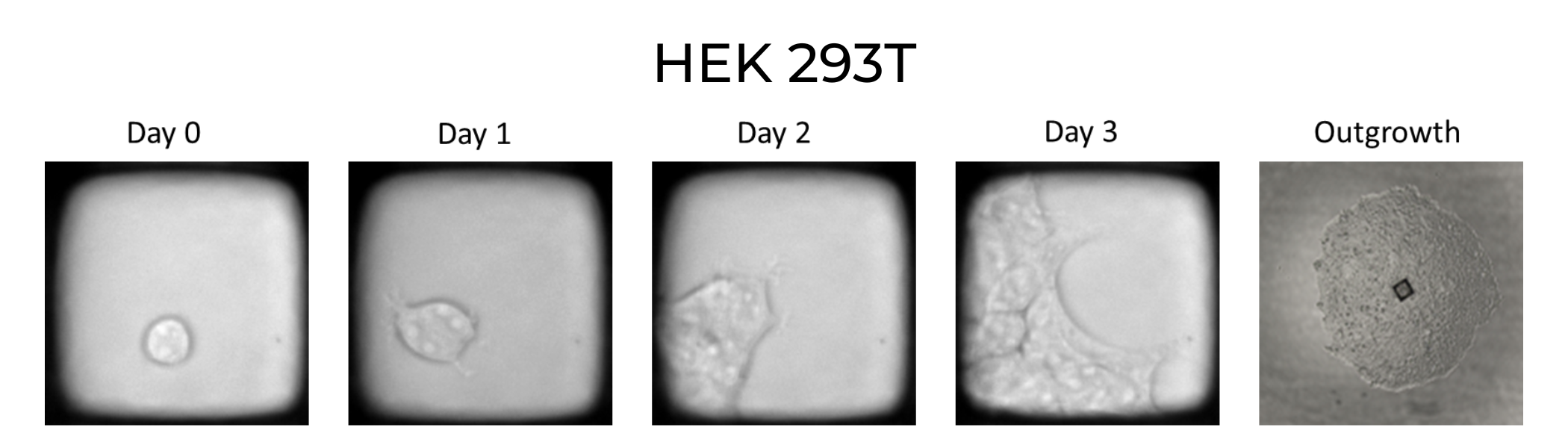
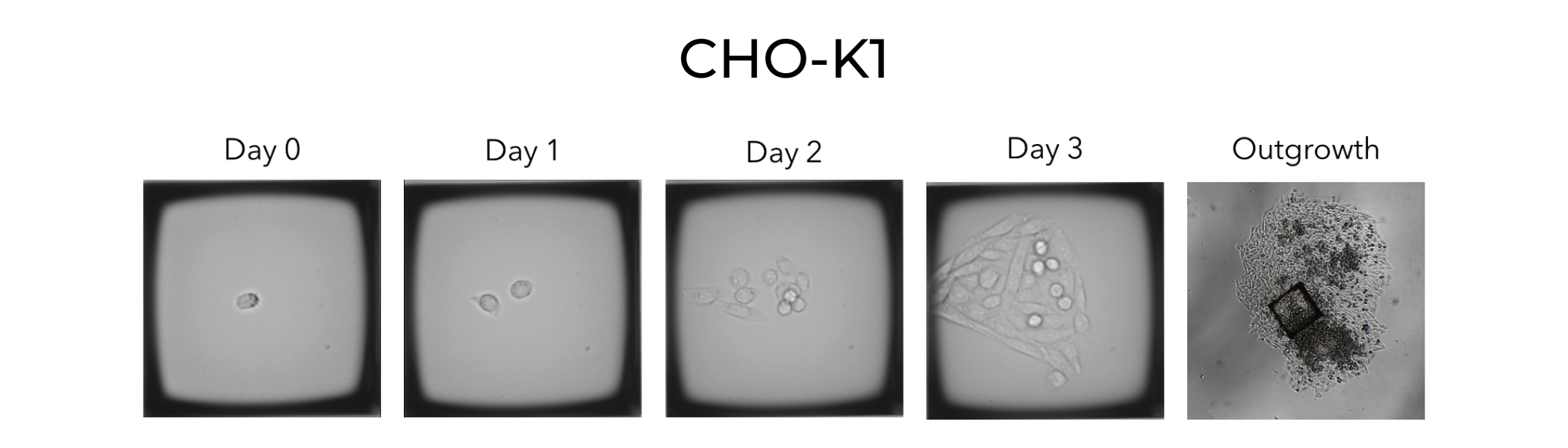
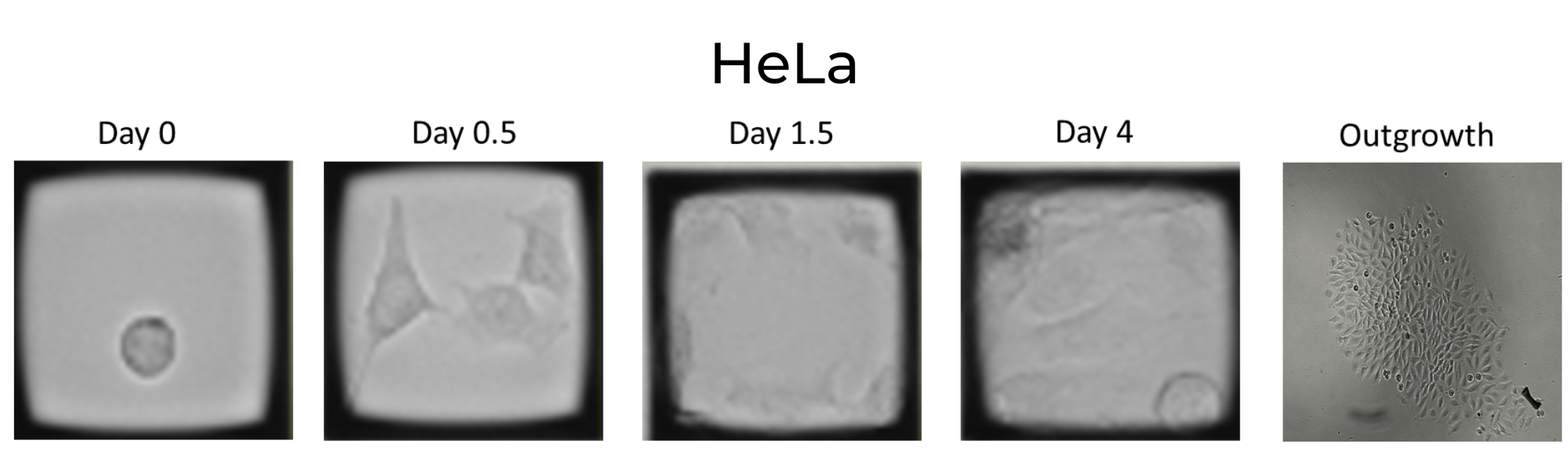
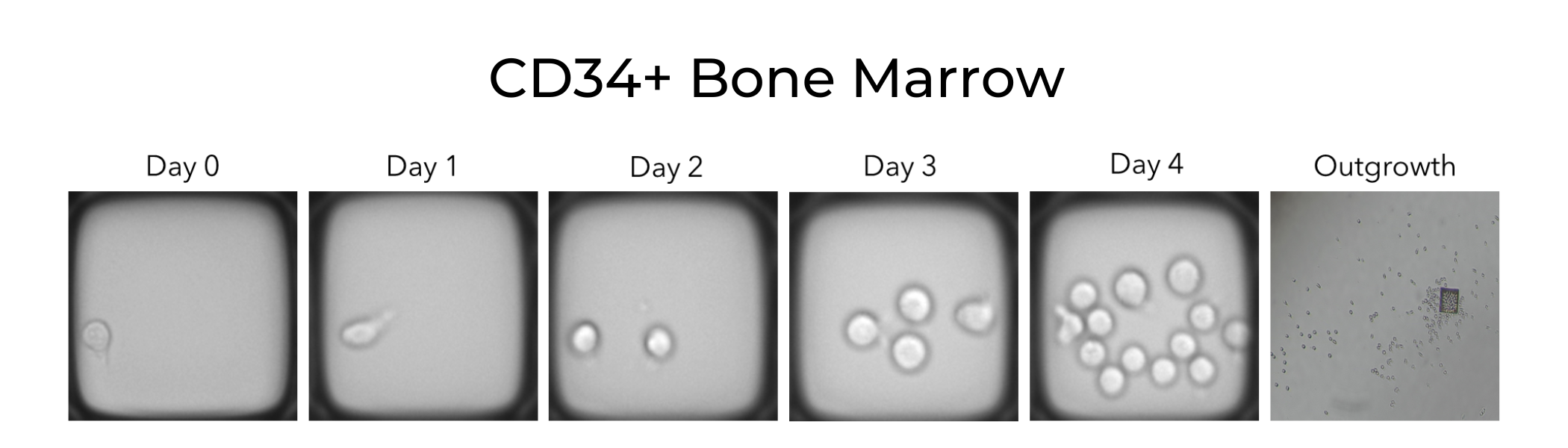
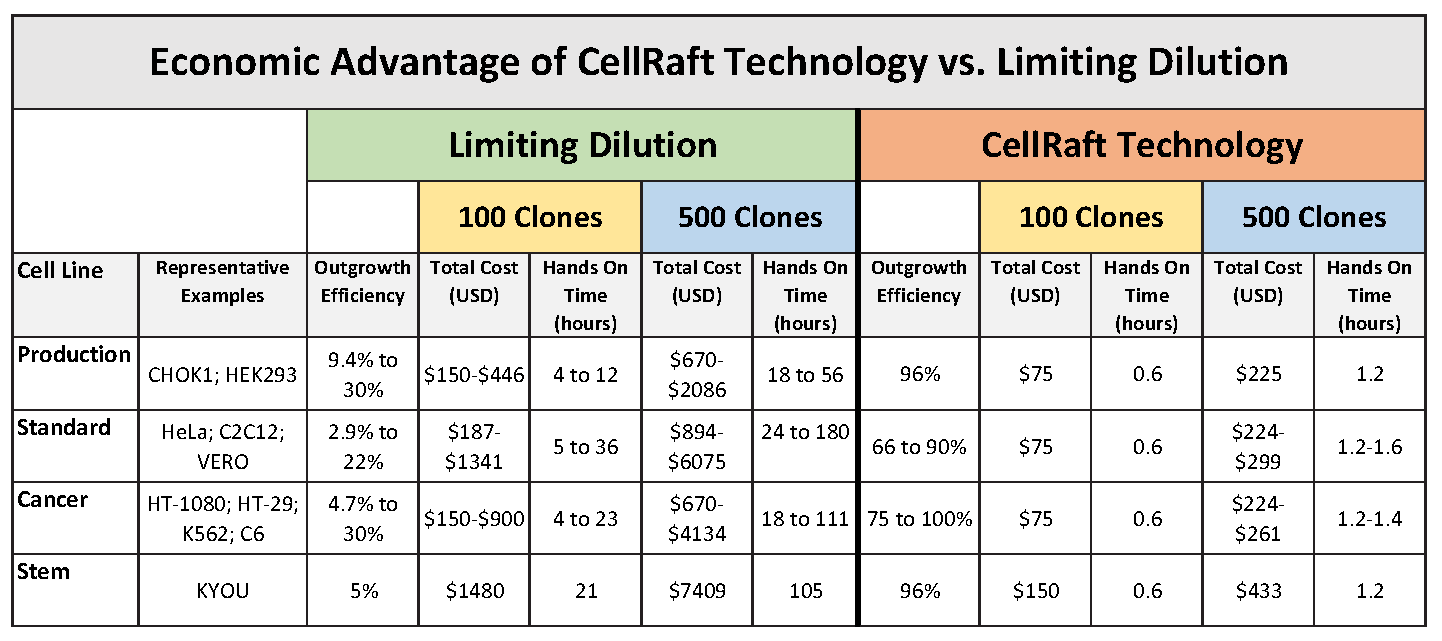
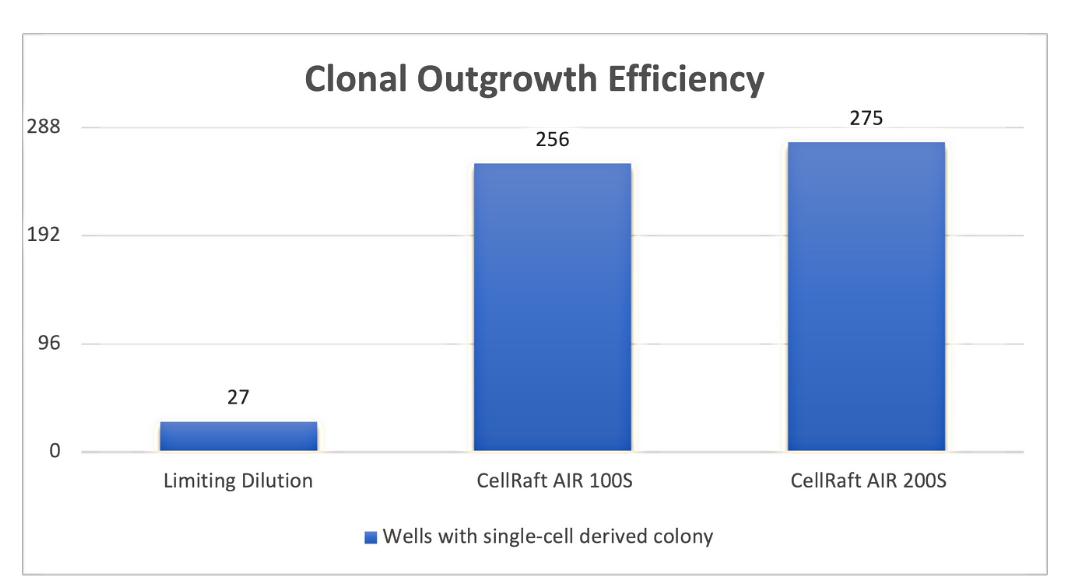
Increase Clone Outgrowth Efficiency
Timelines in Traditional CLD Workflow & Automation Technologies
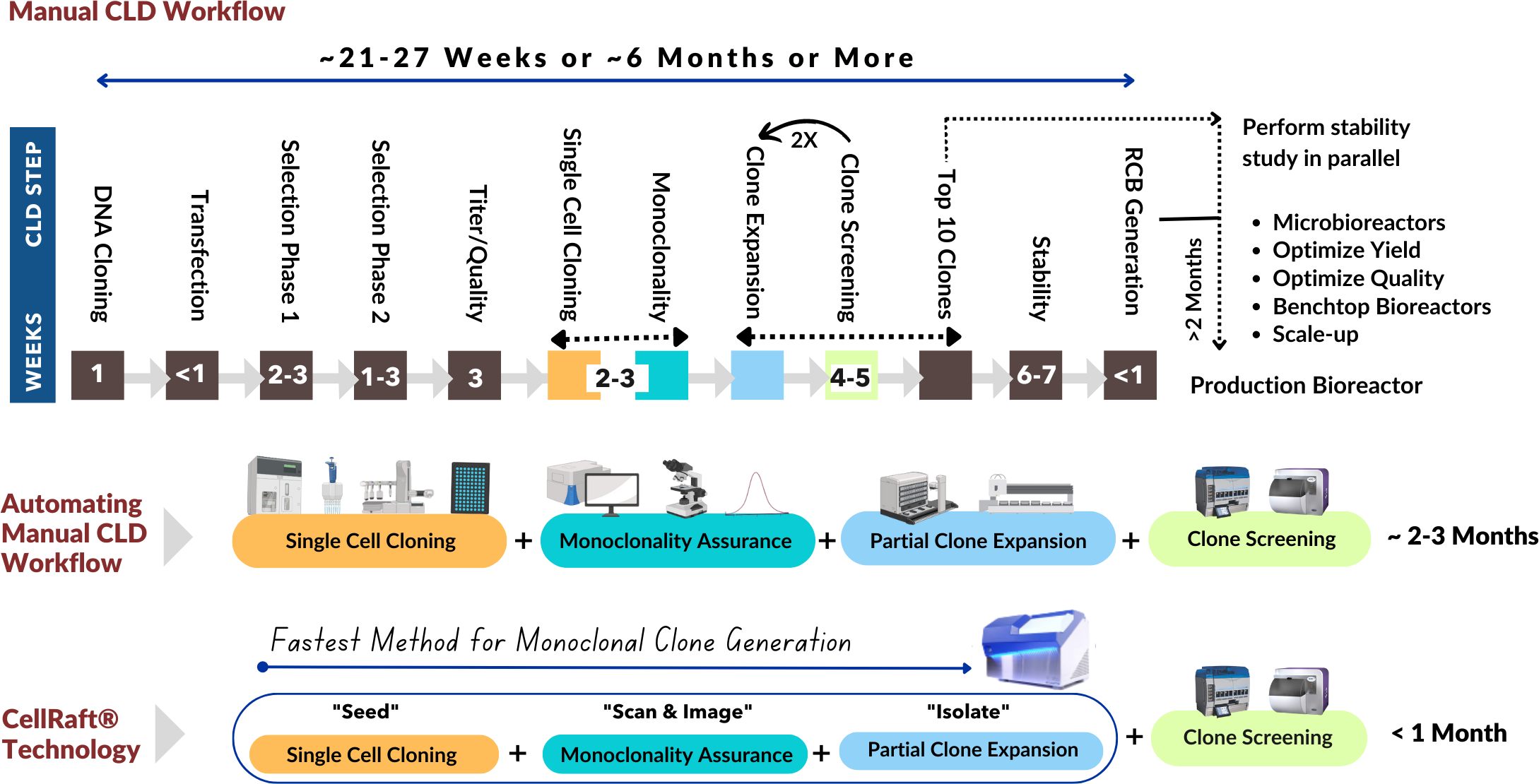
Save Time and Reduce Costs
Experimental and cost analyses including hands-on time to run the protocol between limiting dilutionA statistical cloning approach where cells are diluted to low density to “hopefully” seed one cell per well; commonly used but can be low-efficiency for difficult-to-clone lines. More and CellRaftA microscale polystyrene growth surface within an array used to spatially segregate cells/colonies while maintaining shared media access, enabling imaging over time and targeted isolation. More technology indicate that the latter delivers a high return on investment in terms of outgrowth efficiency, time, and cost.