


Imagine working with a rare patient-derived cell samples. In a traditional setup, you might need 1 milliliter of sample (equivalent to about 20 drops) to run an experiment. With a microfluidic system, you could potentially get the same results with just 10 microliters (about one-half of a single drop). This efficiency opens up entirely new research possibilities, especially in fields where sample availability is a limiting factor.
Whether due to rarity, cost, or difficulty in obtaining samples, the ability to conduct meaningful experiments with limited sample volumes has long been a goal in biological and chemical research. In this quest for more efficient and precise laboratory techniques, microfluidic shear flow systems have emerged as game-changing tools. These systems are not only reducing the amount of sample required for experiments but are also proving their versatility across a wide range of sample types.
Traditional experimental setups, including static and non-microfluidic shear flow, often demand significant amounts of material, which can be both costly and impractical. This is especially true when working with precious or limited samples such as rare biological specimens, expensive chemicals, or newly synthesized compounds. Enter microfluidic shear flow systems – an elegant solution that’s revolutionizing how investigators approach assays. These miniaturized platforms are proving invaluable across multiple disciplines by dramatically reducing sample requirements from milliliters down to microliters, while maintaining experimental integrity. This up to 1000-fold reduction in sample volume is particularly crucial when working with substances, such as patient-derived cells or novel pharmaceuticals. By significantly reducing the volume of reagents and samples needed, these systems cut costs and make experiments more sustainable.

Equally as impressive as their sample and reagent reduction ability, is the versatility of microfluidic shear flow systems to adapt to different types of samples.
The ability to work with multiple sample types in the same system allows researchers to explore different experimental conditions without the need for multiple specialized setups. By precisely controlling channel geometries and flow rates, researchers can subject different sample types to well-defined shear conditions, enabling detailed studies of cellular mechanics, protein interactions, and material properties.
For research teams working with limited resources or precious samples, microfluidic shear flow systems are becoming an increasingly popular choice for experimental studies. Several microfluidic chips and slides are available for shear flow experiments. However, the majority of these systems require choosing from slides with many different channel designs for specific applications, such as adhesion or chemotaxis assays. Perhaps the most challenging aspect is that many of these slides are made by custom microfluidics manufacturers, meaning that they require custom orders, making small-scale testing prohibitively expensive, and they require the piecemeal purchase of tubes and pumps. BioFlux Shear Flow Systems are totally complete systems with consumable microplates that have embedded microfluidic channels specifically designed to be flexible across a broad range of applications. BioFlux plates have up to 24 microfluidic channels with experimental surfaces of either coverslip quality glass, silicone (PDMS), or inserts that accommodate investigators’ custom surfaces. This enables the system to be used to study everything from red blood cells and platelets to polymer solutions or microbial organisms.
Samples that can be used with a BioFlux System

Looking ahead, the continued expansion of shear flow into cell cultures and assays promises deeper insights into biological processes and faster discovery and development in materials sciences. By enabling researchers to do more with less, these systems are paving the way for cost-effective, sustainable, and versatile experimentation. For scientists across disciplines, microfluidic shear flow systems are not just a tool but a gateway to innovative discoveries.

Dr. Anson Blanks completed his BS in exercise physiology at East Carolina University and his MS in clinical exercise science at Appalachian State University. After working as a clinical exercise physiologist in cardiopulmonary rehabilitation, Dr. Blanks decided to pursue a career in scientific research. He attended Virginia Commonwealth University, where he completed his Ph.D. in Rehabilitation and Movement Science. After spending several years as a research and development scientist in biotechnology industry, Dr. Blanks is now a scientific marketing manager for Cell Microsystems in Durham, NC.


In the ongoing battle against antibiotic-resistant bacteria, or “superbugs,” scientists are constantly seeking innovative tools to understand the mechanisms of resistance and develop effective treatments. One such groundbreaking technology is shear flow systems, which have emerged as game-changers in microbiological research. By simulating the dynamic conditions of bacteria’s natural environments, such as the human body or food processing, shear flow systems provide unique insights into bacterial behavior and resistance mechanisms that traditional static methods simply cannot achieve. In this blog post, we’ll explore the benefits of using shear flow systems to combat antibiotic resistance and develop next-generation therapies.
Antibiotic resistance is a complex phenomenon influenced by a variety of factors, including genetic mutations, horizontal gene transfer, and the formation of biofilms. Traditional laboratory methods often fail to capture the dynamic nature of these processes, leading to incomplete or misleading results. Shear flow systems address this limitation by providing a more realistic environment for bacterial growth and interaction. Here’s how:
1. Mimicking Real-World Conditions
In the human body, bacteria are rarely in a static state. They are constantly exposed to fluid flow, such as blood circulation or urine flow, which influences their behavior and resistance mechanisms. Shear flow systems can replicate these conditions, allowing researchers to study how bacteria respond to antibiotics under realistic physiological conditions. This is critical for understanding how resistance develops and persists in vivo. This benefit was recently highlighted in a webinar presented by Dr. Katharina Richter, a microbiology researcher from the University of Adelaide in Australia. Using a high-throughput BioFlux Shear Flow System, Dr. Richter and her team were able to test 3 different methods of superbug treatments under physiological conditions.
2. Studying Biofilm Formation and Resistance
Biofilms—structured communities of bacteria encased in a protective matrix—are a major contributor to antibiotic resistance. Biofilms are notoriously difficult to treat because they shield bacteria from antibiotics and the immune system. Shear flow systems enable researchers to study biofilm formation in real time, observing how bacteria adhere to surfaces, form microcolonies, and develop resistance under flow conditions. For example, using a BioFlux, Dr. Richter was able to leverage high-resolution imaging to obtain unprecedented insight into the biofilm killing and prevention efficacy of a copper and diethyldithiocarbamate (DDC) combination nanoparticles¹. The group is currently investigating the use of a Cu-DDC infused gel that can be injected into wounds that are at high risk for chronic infection, such as hernia.
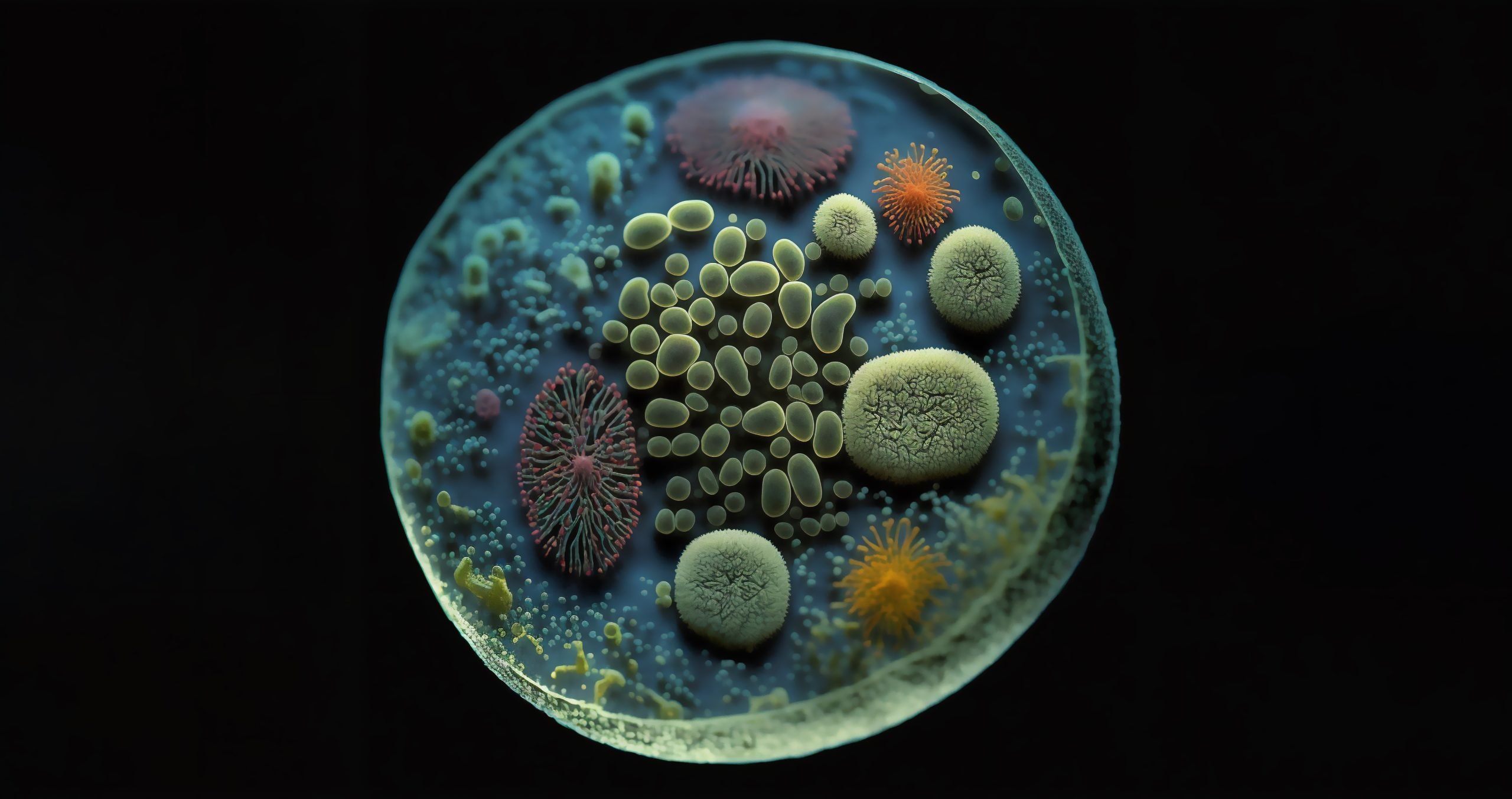
The study of biofilm communities presents unique challenges in experimental design and analysis. While mixed bacterial populations offer fascinating insights into microbial interactions and community dynamics, accurately characterizing and investigating these complex systems has previously required sophisticated and tedious technical approaches. Here, we will discuss advances in technology that have helped to simplify and streamline polymicrobial investigations.
Throughout the last decade, a trend for growing and assaying biofilms under shear flow has gained traction among microbiologists. The rationale for investigating biofilms under flow is multi-dimensional. A recent Cell Microsystems survey asked why microbiologists are using shear flow found that the top responses were:
Of the scientists surveyed, 40% indicated that they use a BioFlux Shear Flow System. This system provides unique advantages over other methods to induce shear stress, such as slide-based parallel plate flow chambers and benchtop rockers.
BioFlux uses microfluidic channels embedded onto the bottom of standard-sized 6, 24, or 48-well plates to create isolated and independent flow chambers where user-defined wall shear stress is initiated and maintained by digitally controlled air pressure. This not only simplifies the setup and experimental processes but also ensures that experiments are contained and do not contaminate the shear flow system.
Although shear flow has been thoroughly demonstrated to improve the biological relevance of biofilm investigations1, an often overlooked aspect of biofilm physiology is the significant role that multicellular aggregates play in biofilm formation2. When investigating Pseudomonas aeruginosa, it has been demonstrated that multicellular aggregates lead to faster biofilm formation and enhanced resistance to antimicrobials and immune responses3. In addition, multispecies microbial aggregates have been shown to dominate single cells in human saliva4. Together, these data show that aggregates are important areas of investigation because they are more likely to represent physiological biofilm formation and growth.